
One of the most common questions I get from new backpackers is:
What food should I bring…and how much do I actually need?”
Honestly, most people make backpacking food way more complicated than it needs to be. I know I did when I first started.
You don’t need a dehydrator.
You don’t need a freeze dryer
You don’t need fancy backpacking meals.
And you definitely don’t need to spend a fortune.
Backpacking gear is expensive enough. Food shouldn’t be expensive too.
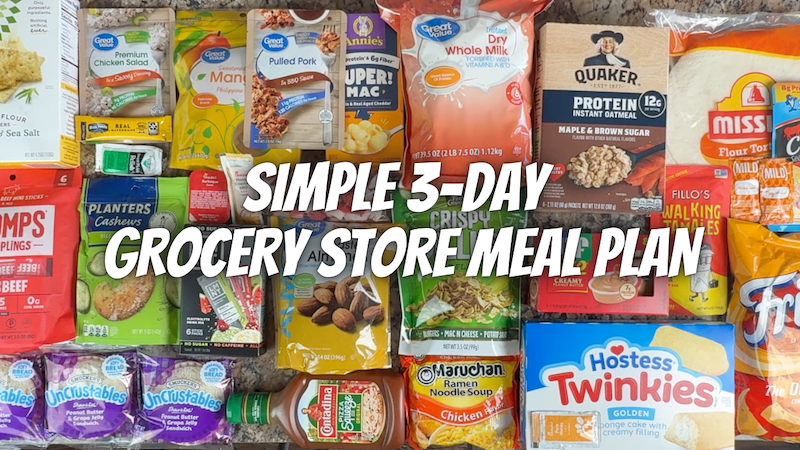
In this post, I’m going to show you exactly how I build a simple 3-day backpacking meal plan using only food from a regular grocery store.
If you’re planning your first trip, this will help make things so much easier. Let’s dive in!
Why Grocery Store Backpacking Food Works
A lot of beginners assume they need to buy those expensive, store-bought freeze-dried backpacking meals.
But the truth is, plenty of normal grocery store foods are perfect for backpacking because they’re:
- Lightweight
- High calories
- Easy to pack
- No complicated prep required
And they’re way cheaper than those store-bought freeze-dried meals.
This approach is especially helpful if you’re new and just trying backpacking for the first time.
How Much Food Do You Need Backpacking?
A good rule of thumb is:
2,000 to 3,000 calories per day
The exact amount depends on things like:
- Body size
- Mileage
- Terrain
- Weather
- Experience level
But for a weekend backpacking trip, the goal is simple:
Bring food that will give you steady energy, is easy to eat on trail and is food that you actually enjoy eating.
My Simple 3-Day Backpacking Meal Plan
Here’s an example of what a beginner-friendly backpacking food plan can look like.
Day 1 Backpacking Food
Lunch (on trail)
Since most people start hiking in the morning or midday, lunch is usually the first meal you’ll eat out on trail and should be something simple.
Examples:
- Tortilla with peanut butter
- Tuna or chicken packet with crackers
- Trail mix
- Protein bar
The key is quick calories without needing to stop for very long.
Snacks
Snacking throughout the day helps keep your energy up.
Some easy options:
- Trail mix
- Jerky
- Protein bars
- Nuts
- Dried fruit
- Uncrustables
- Chocolate
I always pack more snacks than I think I’ll need.
Dinner
Dinner is usually the meal people overthink the most. But it can be simple.
Some easy grocery store backpacking dinners:
- Instant ramen and tuna (or chicken)
- Walking Tamale Bowl
- Instant mashed potatoes
- Knorr rice or pasta sides
- Couscous packets
These cook quickly and don’t require much fuel.
Day 2 Backpacking Food
Day two is usually your biggest hiking day, so this is when calories matter most.
Breakfast
Easy breakfast include:
- Instant oatmeal packets
- Granola with powdered milk
- Breakfast bars
- Instant coffee or tea
You want something quick that will be easy to get you moving.
Lunch
Just like day one, keep it simple:
- Tortilla wraps
- Trail Pizza
- Summer sausage and cheese
- Peanut butter packets
- Tuna or chicken packets
No cooking required.
Snacks
Snacks are still your best friend.
Good options include:
- Peanut M&M’s
- Energy chews
- Nuts
- Protein bars
- Electrolyte drink mix
Dinner
This is where people love something warm.
Easy options:
- Ramen bomb
- BBQ Mac n Cheese
- Instant rice and salmon (or chicken) packet
- Knorr side and chicken (or tuna) packet
- Backpacker chili mix
Comfort food goes a long way after a long day of hiking.
Day 3 Backpacking Food
Day three is usually a shorter day as you hike out back to the trailhead.
Breakfast
Simple and quick again
- Oatmeal
- Protein bar
- Coffee or tea
Many people pack something small because they know real food is coming as soon as they get back into town.
Trail Snacks
Snacks often replace a full lunch on the last day.
Things like:
- Trail mix
- Jerky
- Candy
- Protein bars
Just enough to keep energy up until you reach the trailhead.
Backpacking Food Tips for Beginners
Choose Calorie-Dense Foods
Fat and carbs are your friend while backpacking.
Foods like nuts, peanut butter and tortillas pack a lot of energy into a small amount of weight.
Test Food Before Your Trip
The trail is not the best place to find out you hate something.
Try meals and snacks at home or on training hikes first.
Pack A Little Extra Food
>Weather, fatigue or unexpected delays can happen.
A few extra snacks can help make a big difference if your trip takes longer than originally anticipated.
Keep It Simple
Your first backpacking trip doesn’t need gourmet meals.
Simple food works.
Backpacking Food Is Easier Than You think
One of the biggest things that keeps people from going backpacking is feeling like they have to figure everything out first.
But food planning doesn’t need to be complicated.
A quick trip to the grocery store is enough to build a simple, satisfying meal plan for a weekend trip.
And once you’ve done it, it becomes much easier every time after that.
If you want to see exactly how I put together this 3-day beginner backpacking meal plan, you can watch the full video here.
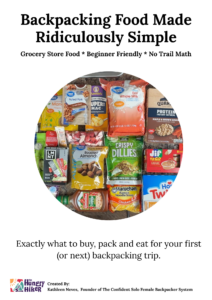
As an added bonus, I’ve created Backpacking Food Made Ridiculously Simple, a free guide that will show you exactly what to buy, pack and eat for your first (or next_ backpacking trip.
Inside this guide includes recipes from the meals featured in this video, a printable grocery list and meal checklist along with a 3-day backpacking meal plan you can use to start meal planning for your next trip.
Get Your Free Guide
I’m curious, what’s the hardest part of backpacking food for you? Tell me down in the comments below.
Disclaimer: The-Hungry-Hiker.com is a participant in the Amazon Affiliate Links and AvantlInks Program, affiliate advertising programs designed to provide a means for sites to earn advertising fees by advertising and linking to Amazon.com and other affiliated sites at no cost to you. Please note, I only link to products and services I personally use and trust.